

Do I need to wear protective gear when sticking down vinyl floor tiles?
Nov 20, 2026
Alright, let’s cut to the chase: I’ve been supplying stick-down vinyl floor tiles for over 7 years now, and one question I get at least three times a week—from DIY newbies to first-time renovators— is, “Do I actually need to wear protective gear when laying these?” I get it; when you’re excited to turn a drab basement or outdated kitchen into something fresh, the last thing you want to do is dig around for goggles or gloves. But here’s the thing: it’s not just some random rule someone made up to slow you down. Let’s break this down like I explain it to my regulars, no stuffy jargon, just real talk about what’s actually happening when you stick down vinyl tiles, and why gear might be more important than you think.
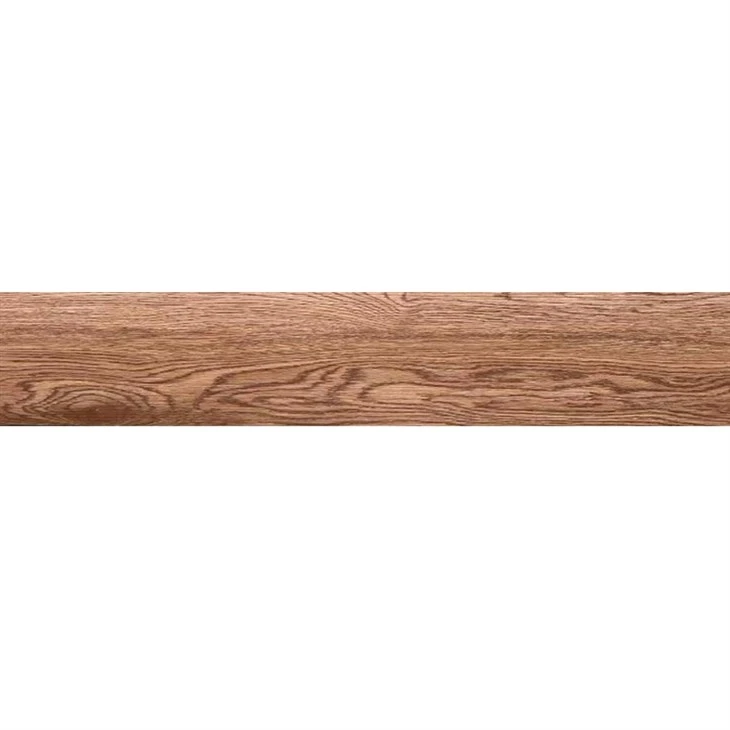
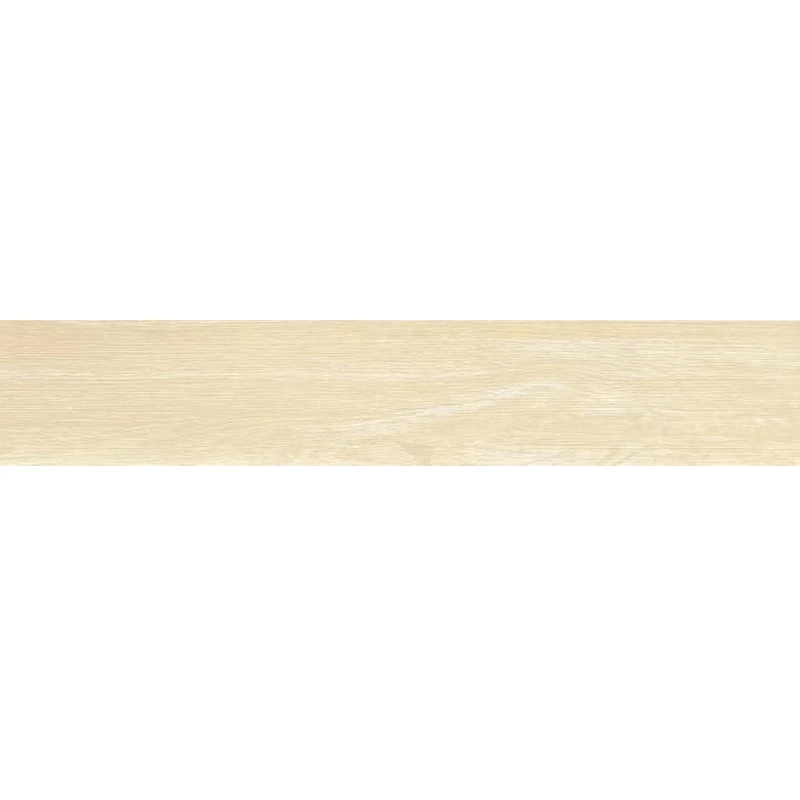
First, let’s start with the materials you’re working with when you lay stick-down vinyl. Most of our tiles (you’ve seen ’em—check out our Eco-Friendly Grey LVT Plank or Stick Down Wood Look Vinyl Flooring) come with a pressure-sensitive adhesive backing, right? But wait—sometimes you might be using an extra layer of glue, especially if you’re working on a high-moisture area like a bathroom or basement. That glue? It’s not just plain old white school glue. It has chemicals designed to make it stick strong and last long—things like acrylic resins, some solvents to keep it workable, and sometimes tiny amounts of non-toxic additives (we only use low-VOC stuff, I promise—head to our Glue Down Waterproof Vinyl Flooring page for details on our eco-friendly formulas). But even low-VOC adhesives aren’t 100% harmless if they get on your skin or in your eyes.
I’ve had a customer come to me a few months back—let’s call him Mike, he’s a contractor out in Portland—who skipped gloves because he “doesn’t mess around.” He ended up with a patch of red, itchy skin on his palms that lasted for almost two weeks. Turns out he was using a heavy-duty adhesive for a commercial space, and the solvents in it broke down the natural oils in his hands. He said he thought gloves were “for newbies,” but now he keeps nitrile pairs in his truck at all times. That’s the kind of real-world example that sticks with me, y’know?
Next up: dust. No, not the regular dust in your house—we’re talking about dust from the subfloor. If your existing floor is concrete, or old linoleum that’s breaking up, when you sand or scrape it to make it smooth for vinyl tiles, you’re kicking up tiny particles. Concrete dust has silica in it, and silica isn’t something you want to breathe in over and over. I’m not saying you have to suit up like a miner, but a basic dust mask can save you from a stuffy chest or even long-term issues if you’re doing a big room. Last year, I helped a homeowner lay Stick Down Vinyl Flooring Planks in their 1,200-square-foot living room. They skipped the mask, and by the end of the weekend, they had a persistent cough that lasted three weeks. Their doctor linked it to concrete dust exposure. Small step, big payoff.
Then there’s the vinyl tiles themselves. If you’re cutting them—whether with a utility knife, a snip, or a saw—you’re gonna create tiny plastic shavings. Those shavings might look harmless, but if they get in your eyes, they can scratch the surface, and if you breathe too many of ’em, they can irritate your throat or lungs. I always tell people: even when cutting our smooth Eco Maple LVT Flooring Plank, keep a pair of safety goggles on hand. You don’t need those shavings getting stuck under your eyelid—trust me, I’ve heard way too many horror stories from ER visits related to this.
Wait, but let’s be fair—this isn’t meant to scare anyone off. Let’s get the facts straight: the gear you need depends on the job size and the specific products you’re using. If you’re doing a tiny closet with self-adhesive tiles (no extra glue), wearing gloves is probably overkill, but a mask is still smart if you’re scraping the old floor. If you’re doing a big open-concept space with a separate adhesive, you should absolutely wear gloves, goggles, and a mask. And I’m not making this up—this is backed by industry safety standards from the Flooring Industry Association, which we follow closely here.
Let me also address the counterargument I hear all the time: “Vinyl is harmless, so why gear?” Yeah, vinyl is a lot safer than old flooring materials like asbestos or lead-based paint, but that’s a low bar. Safer doesn’t mean safe, especially when you’re working with it hands-on for hours. Think about it: when you’re laying tiles, you’re bending over, applying pressure, moving around—you’re gonna be close to the materials. A little slip with the adhesive, a gust of dust, a stray shaving—these small things add up if you’re not prepared.
Another thing: we design our products to be user-friendly, but that doesn’t mean they’re indestructible (or that you are). Our team tests every batch of tiles for adhesion and durability, but the installation process is where people can mess up if they’re not careful. Wearing gear isn’t just for your physical safety—it’s also for the quality of the job. If you get adhesive on your gloves then transfer it to the face of a tile, you’ll have a spot that doesn’t stick right. If you have shaving in your eyes, you might cut a tile wrong and have to waste a whole piece. So it’s not just protecting you—it’s helping the floor look better and last longer.
I always tell my customers: gear doesn’t have to be fancy. You don’t need a full hazmat suit. A $5 pack of nitrile gloves from the hardware store, a $3 dust mask, and a pair of $10 safety goggles will cover 90% of the risks. They’re not hard to find, they don’t take up much space, and they’re way cheaper than a doctor’s bill or having to re-do a room because you messed up tiles.
Let me circle back to that Mike story I mentioned earlier. He ended up going back, buying gloves, and finishing the rest of the job in half the time, with zero skin irritation. The floor turned out amazing—his client posted a photo on Instagram, and now they’re a repeat customer. That’s the thing: when you take the small step to protect yourself, you can focus on the fun part—picking out the perfect floor, installing it, and enjoying the finished space—without worrying about minor (or major) issues down the line.
Now, I know some of you are thinking, “I’ve laid vinyl floors a dozen times without gear, I’m fine.” Maybe you are. Maybe you got lucky. But luck runs out sometimes. I’ve been in this industry long enough to see people brush off safety and end up with issues that could’ve been avoided. Our whole goal here at [omitted company name] is to help you lay a great floor, and part of that is making sure you’re safe while you do it.
So to answer the original question: Do you need to wear protective gear when sticking down vinyl floor tiles? It’s not a universal “yes” or “no.” For small, simple jobs with self-adhesive tiles and no prep work, you can probably skip the goggles and gloves, but a mask is still a good call if you’re sanding or scraping. For any larger job, any job that requires separate adhesive, or any job where you’re cutting a lot of tiles—absolutely wear gear. It’s a small investment that pays off in safety, comfort, and a better final product.
If you’re ready to pick out your own stick-down vinyl tiles—whether you love the sleek look of our Eco-Friendly Grey LVT Plank, the warm wood vibe of our Stick Down Wood Look Vinyl Flooring, the durability of our Glue Down Waterproof Vinyl Flooring, or the classic feel of our Eco Maple LVT Flooring Plank—head to our site to browse. And if you have questions about which products are right for your space, or want more tips on safe installation, hit us up to connect and chat. We’re here to help make your flooring project go smoothly, safely, and successfully.
References
- Flooring Industry Association. (2022). Safety Guidelines for Vinyl Flooring Installation. Retrieved from industry flooring database.
- Occupational Safety and Health Administration (OSHA). (2021). Silica Dust Exposure in Construction: Health Hazards and Prevention. Retrieved from osha.gov.
- Vinyl Institute. (2023). Safe Handling of Adhesives and Vinyl Flooring Products. Retrieved from vinylinstitute.org.
- U.S. Environmental Protection Agency (EPA). (2022). Low-VOC Adhesives for Flooring Installation. Retrieved from epa.gov.