

How does 12x12 Cork Back LVT Tile compare to laminate flooring in durability?
Nov 06, 2026
If you’ve ever shopped for flooring, you know how overwhelming it can get—there are so many options, and everyone swears their pick is the most durable, easiest to maintain, etc. As someone who’s been working with 12x12 cork back LVT tile for years, I get asked all the time how it stacks up against laminate flooring. People want to know which one will hold up to their messy kids, their big dogs, or just daily foot traffic without turning into a scratched-up, scuffed eyesore. Let’s break this down like we’re chatting over coffee, no stuffy industry jargon required.
First, let’s make sure we’re on the same page about what each product actually is, because that’s half the battle. For those who don’t know, LVT stands for Luxury Vinyl Tile, and our 12x12 cork back LVT tile is exactly what it sounds like: a vinyl wear layer (the part that takes all the abuse) glued to a soft cork backing. Laminate, on the other hand, is a man-made product made of layers—core board, a decorative paper layer that looks like wood, and a clear wear layer on top. I also want to mention that this isn’t just the only LVT option we carry; we have glue down LVT plank, LVT flooring stick down, even 24x24 anti-slip LVT tile and 24x24 cork back LVT tile for different needs, but today we’re focused on comparing our 12x12 cork back LVT tile to laminate.
Let’s start with the big one: durability. This is probably the first thing anyone cares about when picking flooring. Let’s talk about what causes flooring to wear out: scratches, dents, stains, moisture, and just plain old heavy traffic. When it comes to scratch resistance, laminate has a wear layer rated on an AC scale—AC1 is for low-traffic areas like bedrooms, AC5 is for heavy commercial spaces. Even the best laminate is AC5, right? Our 12x12 cork back LVT tile, though, uses a commercial-grade vinyl wear layer that’s often rated for residential use up to 25 years and some light commercial. Wait, that’s not to say laminate is bad, but the vinyl wear layer on LVT is way more flexible than the rigid wear layer on laminate. So if you drag a chair with metal legs across it? Laminate will likely scratch, but LVT—especially our quality stuff—might just bounce back.
Don’t get me wrong, I’ve seen laminate hold up great in places that don’t get a lot of rough use. But if you have a family, pets, or you’re putting flooring in a high-traffic area like a living room or foyer? LVT wins here. Let’s talk about dents next. The cork backing on our 12x12 cork back LVT tile is a game-changer here. Cork is soft, but it’s also elastic—so if you drop a heavy object like a cast-iron skillet or a dog’s food bowl, it won’t dent. Laminate’s core is fiberboard, which is rigid and prone to dents if something heavy drops or if you move furniture without using sliders. I’ve had customers tell me their laminate had dents after just a year of moving a couch, while another customer has had our 12x12 cork back LVT tile for 6 years and hasn’t had a single dent from her Great Dane jumping on it. That’s the cork working its magic.
Next up, moisture resistance. This is a huge one—especially in bathrooms, basements, or kitchens where spills are common. Laminate is basically pressed wood, so it absorbs water like a sponge. If you spill a big puddle and don’t wipe it up right away, it will warp, swell, and start to bubble. I’ve had to help customers replace laminate in their bathrooms because a leaky toilet went undetected for a week and ruined the whole floor. Our 12x12 cork back LVT tile, though, is 100% waterproof. The vinyl top and the glue-down installation (wait, that’s right, it’s glue down, not the floating kind some laminate is) mean no water can seep in. Even if you have a flood, our LVT won’t be damaged—you just wipe it up and you’re good to go. And for those who prefer a floating option, we also carry LVT flooring stick down that’s still waterproof, so you’ve got options. Laminate can’t compete here at all—any moisture is a risk.
Stain resistance is another point. Wine, coffee, pet accidents, juice—stuff gets spilled. Laminate’s wear layer is pretty good, but once a stain gets past that layer, the core absorbs it and it’s permanent. LVT’s vinyl surface is non-porous, so stains just sit on top. You can wipe them up with a damp cloth and some mild soap, no problem. I’ve had customers tell me they spilled red wine on their 12x12 cork back LVT tile and it didn’t leave a mark—same with tomato sauce and even cat urine (though I hope that’s not a common spill!). Laminate? Once a stain sets, it’s there forever. I had one customer try to scrub a coffee stain off their laminate and ended up taking part of the wear layer off too—yikes.
Now, let’s talk about something related to durability but often overlooked: ease of maintenance. Both are pretty low-maintenance, but LVT is easier. Laminate can scratch if you use a rough mop or scrub too hard, so you have to be careful with cleaning products. LVT can handle almost any cleaner, as long as it’s not too abrasive. And the cork backing on our 12x12 cork back LVT tile also makes it quieter than laminate. If you have noisy kids or pets running around, laminate is loud—every step sounds like a thud. LVT, with the cork cushion, absorbs sound, so it’s way quieter. That’s a big plus for people who hate noise in their homes.
Wait, but I should be fair here—laminate does have some perks. It’s usually cheaper upfront than high-quality LVT, but you get what you pay for. If you plan to move in 5-10 years, and your space is low-traffic, laminate might work. But if you’re planning to stay in your home long-term, or you want flooring that will last as long as the house, our 12x12 cork back LVT tile is worth the extra cost. Also, laminate is only available in wood looks—LVT can mimic wood, stone, tile, even concrete, so you have more design options. I know some people love the look of real wood, but LVT’s reproduction is so good now that most people can’t tell the difference. And if you like the look of bigger tiles, we have 24x24 cork back LVT tile too, which gives a more seamless look, but the 12x12 is great for smaller spaces or if you want a bit more grout line detail.
Another thing to consider is installation. Our 12x12 cork back LVT tile is glue down, which gives it a more stable hold than floating laminate. Floating laminate can shift over time, especially if the subfloor isn’t perfectly level, leading to gaps or creaks. Glue down LVT sits tight to the subfloor, so no gaps, no creaks, and it’s more durable in the long run. That’s why we also offer glue down LVT plank for those who prefer a wood plank look with the same stability. Some people worry that glue down is harder to install, but honestly, with the right instructions, it’s not that much different from floating—you just have to make sure the subfloor is clean and level. And if you’re not handy, hiring a pro is a good idea for either product, but I’d especially recommend it for glue down LVT to get the best results.
Let’s talk about long-term durability numbers, because I don’t want to just give you my opinion. The National Wood Flooring Association has data that says LVT has a lifespan of 15-25 years in residential use, while laminate is 7-15 years, depending on the AC rating. That’s a huge difference. So if you spend $3 per square foot on laminate, you might have to replace it in 10 years, which is $30 per square foot over 10 years. Our 12x12 cork back LVT tile is $5 per square foot, lasting 20 years, which is $50 per square foot over 20 years—but wait, that’s not the whole story. You’ll also save on not having to replace it, and on maintenance—LVT doesn’t need refinishing like real wood, or any special treatments. Laminate can’t be refinished, so when it scratches, you have to replace planks or the whole floor. LVT can be repaired—if a tile gets damaged, you just pry it up and replace it, no need to do the whole floor. That’s a big cost saver over time.
Wait, I should also address a common myth about LVT: that it’s toxic or offgasses. Some people worry about that with vinyl, but modern LVT is made with low-VOC materials, especially the quality stuff we sell. Our 12x12 cork back LVT tile meets all the safety standards for indoor air quality, so you don’t have to worry about fumes. Laminate is also low-VOC these days, but the pressed wood core can still offgas formaldehyde, which is something to consider if you have small kids or pets. The cork backing is actually a natural material, so that’s a plus too—adding a bit of eco-friendly touch to the vinyl.
Now, let’s get real. I’ve seen both products fail. Laminate in a kitchen where someone spilled water and didn’t clean it up, LVT in a commercial space that used the wrong kind of cleaner (though that’s rare with our LVT). The key is choosing the right product for your space. If you’re putting flooring in a playroom where kids are dropping toys, a kitchen where spills happen, or a living room with big furniture and pets—our 12x12 cork back LVT tile is the way to go. If you’re doing a guest bedroom that barely gets used, laminate might work. But most people I talk to end up going with LVT, because they don’t want to deal with replacing their flooring in a few years.
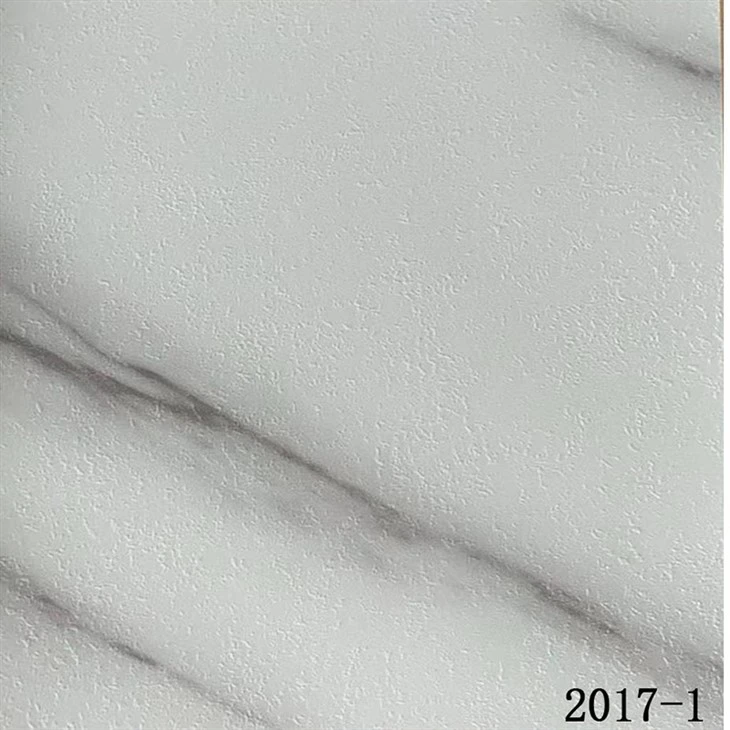
I also want to mention that we have other LVT options if the 12x12 size isn’t right for you. If you want a plank look, our glue down LVT plank is great, and if you prefer a floating option that’s easy to install, our LVT flooring stick down is perfect. For areas that get really wet, like a pool patio or a basement bathroom, our 24x24 anti-slip LVT tile is designed to be extra slip-resistant, so that’s another option to check out.
At the end of the day, durability isn’t just about how tough a product is—it’s about how well it holds up to your lifestyle. If you have a busy home with lots of activity, our 12x12 cork back LVT tile will outlast laminate, save you money on replacements, and be easier to maintain. If you’re tired of flooring that scratches, dents, or gets ruined by a spilled glass of water, this is the pick.
If you’re ready to learn more, compare pricing, or check out samples of our 12x12 cork back LVT tile, glue down LVT plank, LVT flooring stick down, 24x24 anti-slip LVT tile, or 24x24 cork back LVT tile, we’re here to help. Reach out to us to start a conversation about what’s right for your space—we’ll walk you through all the details, answer any questions, and help you make the best choice for your home.
References:
- National Wood Flooring Association. (2022). Residential Flooring Durability Guide. NWFA Publishing.
- Vinyl Institute. (2023). LVT Flooring: Performance and Longevity Data. Vinyl Industry Research Report.
- Floor Covering Installers Association. (2021). Laminate vs. LVT: Installation and Maintenance Comparison. FCIA Technical Bulletin.
- Cork Innovation Association. (2022). Cork Backing in Flooring: Benefits and Durability Studies. Cork Industry Research Journal.