

How does the cost of Eco Oak LVT Flooring Plank compare to real oak flooring?
Oct 30, 2026
Hey there, fellow homeowners, contractors, and design junkies! If you’ve been scrolling through flooring options lately, you’ve probably stumbled on two big names in the wood-look game: real solid oak flooring and Eco Oak LVT Flooring Plank. As someone who’s been in the LVT supply game for over 8 years, I get it—choosing flooring isn’t just about picking something that looks good. It’s about weighing upfront cost, long-term value, maintenance, and yeah, that whole “eco-friendly” thing everyone’s talking about now. Let’s break down the numbers, the fine print, and why my team at [Your Company Name] would never push a product just for a quick sale. No fancy jargon, just real talk.
First, let’s get the basics straight. Real oak is that classic hardwood you’ve seen in grandparents’ houses—solid planks milled from actual oak trees, sanded and finished on site (or sometimes pre-finished at the factory). Eco Oak LVT, on the other hand, is luxury vinyl tile made to look just like oak, but it’s a multi-layer vinyl product with a rigid core, printed design layer that mimics oak grain, and a clear wear layer on top. You might also want to check out our other eco-friendly wood-look LVTs, like the Eco Cherry LVT Flooring Plank, Eco Walnut LVT Flooring Plank, or even the Grey LVT Flooring Glue Down if you’re leaning toward a different shade—all part of our stick-down LVT line that’s been flying off shelves lately.
Let’s start with the big one: upfront cost. I get it, that initial price tag is what makes most people’s decision. Let’s do a quick, real-world comparison for a 1,000 sq ft space, which is a common size for a living room or small apartment.
Real solid oak flooring: Depending on the grade (I’m talking mid-grade, not the super cheap stuff that warps after a year) and whether it’s pre-finished or you hire a pro to do site finishing, you’re looking at $8 to $15 per square foot for materials alone. Wait, but hold on—you also have to add installation costs, right? For solid hardwood, you’re talking $3 to $8 per square foot for installation, plus if you need to prep the subfloor (like leveling or removing old flooring), that’s another $1 to $3 per sq ft. So all in for that 1,000 sq ft space? That’s anywhere from $12,000 to $26,000. Yikes, that’s a huge chunk of change for many folks.
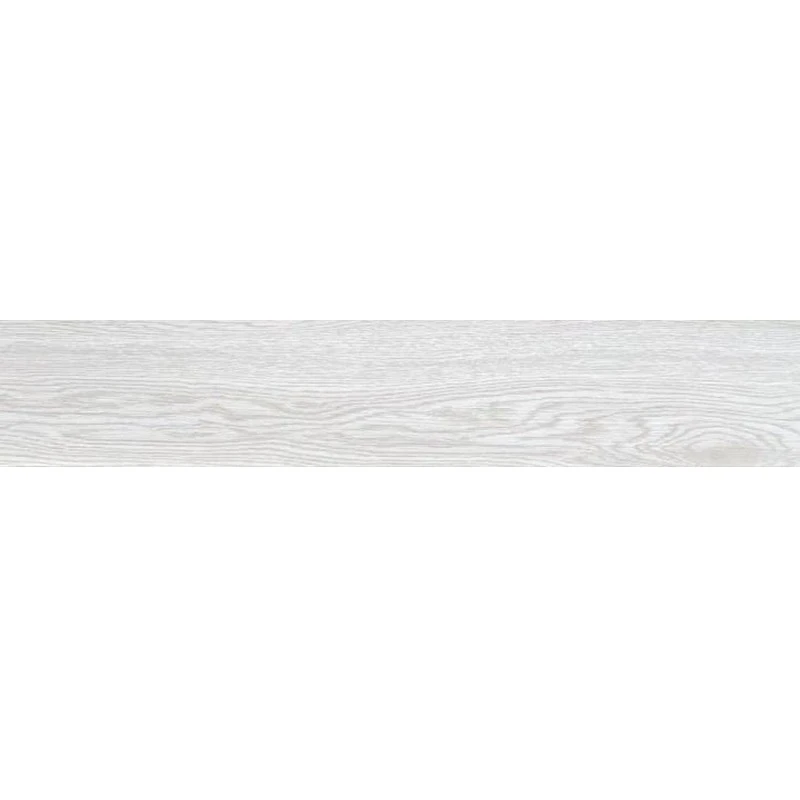
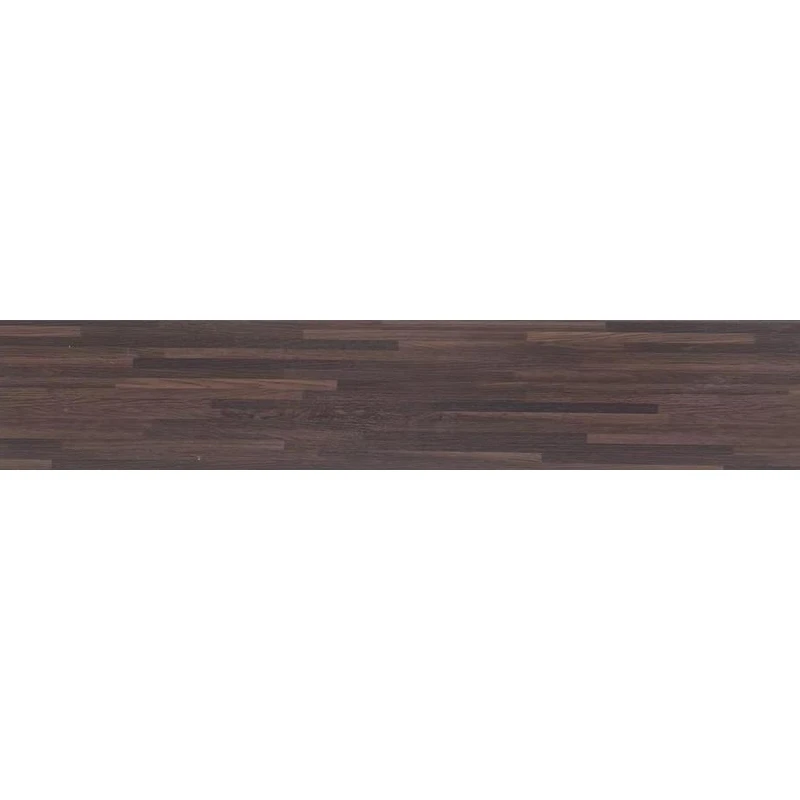
Now, what about Eco Oak LVT Flooring Plank? Our product here at [Your Company Name] is priced at $3.50 to $6 per square foot for materials. Wait, that’s way lower upfront, right? And installation? Since it’s stick-down LVT, that’s $2 to $5 per square foot—way less than solid hardwood because it’s lighter, easier to cut, and doesn’t require sanding or messy site finishes. Subfloor prep is also simpler, usually $0.50 to $1 per sq ft because LVT is more forgiving of minor imperfections. So all in for 1,000 sq ft? That’s $6,000 to $12,000. Wait, that’s half the cost of mid-tier solid oak. But here’s where people get confused—they think “it’s vinyl so it must be fake and cheap,” but our Eco Oak line is designed to look so real, you’d have to run your hand over it to tell the difference. You can see the details here: Eco Oak LVT Flooring Plank.
But hold up—cost isn’t just about the number on the receipt. It’s about long-term value, maintenance, and even hidden costs that people forget. Let’s talk maintenance first. Real oak hardwood is beautiful, but it’s high-maintenance. You can’t spill wine or water on it without immediately mopping it up—any standing water can cause warping, cupping, or even staining. You also have to refinish it every 7 to 10 years, which costs about $2 to $4 per sq ft each time. That’s an extra $2,000 to $4,000 every decade for a 1,000 sq ft space. Plus, it scratches easily—you have to use furniture pads, sweep daily, and avoid high traffic areas that might show scuffs.
Eco Oak LVT? The wear layer we use is 20 mils thick (that’s the standard for residential, and we have 30 mils for commercial too), so it resists scratches, scuffs, and spills. You can mop it with just water (no harsh chemicals needed, which is another eco win), and it doesn’t need refinishing ever. I’ve had customers who installed our LVT in rental properties, or in busy homes with kids and dogs, and 5 years later it looks almost exactly like the day it was put down. That’s a huge cost saver over time. Let’s do the math over 20 years, which is roughly the lifespan of a well-maintained solid oak vs. our LVT (we stand behind our LVT with a 25-year residential warranty, by the way). For solid oak: initial cost $18,000 (midpoint), plus two refinishes at $3,000 each = total $24,000 over 20 years. For Eco Oak LVT: initial cost $9,000 (midpoint), no refinishing = total $9,000. That’s a $15,000 difference. That’s a year of mortgage payments, or a nice vacation, right?
Wait, but what about durability in different spaces? That’s a big one too. Real oak hardwood can’t go in basements, bathrooms, or anywhere with high humidity—moisture warps it. I’ve had customers tell me they had to rip out solid oak in their basement after a single flood because it buckled so bad. Our Eco Oak LVT is 100% waterproof, so it works in bathrooms, basements, laundry rooms, even kitchens where spills are common. That means you don’t have to pay extra for moisture barriers when installing LVT, which is another hidden cost with solid hardwood. If you have a multi-level home, you can even match your LVT from the kitchen to the living room, which gives a seamless look without the risk of water damage in the lower level.
Eco factors matter too, and that’s why our brand is called Eco Flooring for a reason. Real oak is a natural resource—you’re harvesting a tree that could take 50+ years to grow. Even if it’s FSC-certified, there’s still an environmental impact. Our Eco Oak LVT is made from 100% recycled vinyl (yes, we take post-consumer vinyl and old LVT scraps and turn them into new planks) and the core is made from renewable bamboo fiber. Also, since it’s manufactured with low-VOC adhesives and inks, it doesn’t off-gas like some other flooring products—so it’s safe for kids, pets, and anyone with allergies. If you’re curious about our other eco wood-look options, check out the Stick Down Wood Look Vinyl Flooring page for all our collections, including the Eco Cherry LVT Flooring Plank, Eco Walnut LVT Flooring Plank, and Grey LVT Flooring Glue Down.
Now, let’s be real—this isn’t a “LVT is always better” post. There are cases where solid oak makes sense. If you’re building a forever home, you love the idea of sanding and refinishing it every few decades to change the look, or you want that authentic, warm feel under your feet that only solid wood has. But for most people, especially if you’re on a budget, have a busy household, or want something that’s going to hold up for years without a lot of hassle, Eco Oak LVT is the way to go.
I’ve heard some people say “vinyl is cheap looking” and “it doesn’t add value to your home.” Let’s tackle that. First, the look: our Eco Oak planks have a textured surface that mimics real oak’s grain, knots, and even the slight variations that make real wood unique. When you install it properly, it’s hard to tell the difference—we’ve had contractors show it to customers and even their neighbors, and most can’t spot the LVT. As for home value? According to recent National Association of Realtors data, both hardwood and high-quality LVT add value, but LVT’s low maintenance and durability make it a bigger selling point for younger buyers who don’t want to deal with hardwood’s upkeep. Plus, since it’s waterproof, it appeals to buyers who might have older homes with less moisture control in basements or bathrooms.
Wait, let’s not forget installation time. Solid hardwood takes 3 to 5 days to install—you have to acclimate the planks to your home’s humidity for 3-5 days first, then nail or glue them down, then sand and finish, which means you can’t use your space for a week or more. Eco Oak LVT? It’s click-lock? No, wait, ours is stick-down, which installs in 1 to 2 days, no acclimation needed, no sanding, no messy fumes. You can walk on it the same day, which is a huge win for anyone renovating a home they’re living in, or a rental property they’re turning over quickly.
Now, I know you’re probably thinking, “Okay, but what about quality? Won’t cheap LVT wear out faster?” That’s why it’s important to buy from a reputable supplier, not the random big-box store stuff that comes with a 5-year warranty. Our Eco Oak LVT has a 25-year residential warranty, and we’ve had customers who’ve had it for 7 years with zero issues. We test all our products for scratch resistance, stain resistance, and moisture resistance, so you don’t have to worry about it fading in sunlight either—our UV-stabilized coating means it won’t yellow after years of being near windows.
Let’s wrap this up with a quick comparison cheat sheet, so you can see it all in one place:
- Upfront cost (per sq ft, installed): Real oak $15-23, Eco Oak LVT $5.50-12
- 20-year total cost: Real oak $12,000-$26,000, Eco Oak LVT $6,000-$12,000
- Maintenance: Real oak (high, refinish every 7-10 years), Eco Oak LVT (low, no refinish)
- Water resistance: Real oak (no, bad for high moisture areas), Eco Oak LVT (100% waterproof)
- Lifespan: Real oak (20-30 years with refinishes), Eco Oak LVT (25+ years)
- Eco impact: Real oak (harvested wood), Eco Oak LVT (recycled materials, low-VOC)
Look, at the end of the day, the choice is yours. If you’re the type who loves the traditional feel of real oak, doesn’t mind the upkeep, and has the budget for it, go for it. But if you’re looking for something that’s budget-friendly, durable, low-maintenance, eco-friendly, and works in every room of your home, Eco Oak LVT Flooring Plank is worth a close look. We don’t push products that don’t fit our customers’ needs—we’ve helped thousands of homeowners and contractors pick the right floor for their space, and we’d be happy to do the same for you.
If you’re ready to get a quote, learn more about our installation services, or check out our other eco flooring lines (like the Eco Cherry LVT Flooring Plank, Eco Walnut LVT Flooring Plank, or Grey LVT Flooring Glue Down), just reach out to our team at [Your Company Name]. We’re here to answer all your questions, no pressure, no salesy pitches. We know flooring is a big investment, and we want you to feel confident in your choice.
References:
National Association of Realtors. (2024). 2024 Flooring and Home Value Report.
Floor Covering News. (2023). Luxury Vinyl Tile vs. Solid Hardwood: Long-Term Cost Comparison.
Environmental Protection Agency. (2022). Sustainable Flooring Guide for Residential Properties.