

How much does 24x24 Cork Back LVT Tile cost?
Oct 19, 2026
If you’ve ever walked into a room and noticed how a floor feels both smooth underfoot and quiet, even when someone’s moving furniture or a kid is running around, there’s a good chance cork back LVT is part of why that feels good. As a supplier who’s worked with this product for years, one of the most common questions I get—from homeowners planning a reno, contractors sourcing materials, and even small business owners outfitting a new café—is: How much does 24x24 cork back LVT tile actually cost? The short answer isn’t a flat number, though. Pricing depends on a mix of material quality, production methods, order size, and even where you’re buying from. Let me break this down like I would for any customer stopping by our showroom or sending a message through our website, no confusing industry jargon, just the real stuff we deal with every day.
First, it helps to remember what makes cork back LVT different from standard LVT. LVT (luxury vinyl tile) is already popular for being water-resistant, durable, and easy to maintain—perfect for high-traffic areas like entryways, kitchens, or basements. The cork back layer, which is a thin, natural cork backing adhered to the bottom of each tile, adds two key benefits: cushioning underfoot and improved sound absorption. That’s why it’s a go-to for apartments, home offices, and gyms where noise might be a concern. Cork is also renewable, a big plus for customers who want eco-friendly flooring without sacrificing performance. With that base in mind, the cost of the 24x24 size specifically (which is larger than the more common 12x12 or 18x18 tiles) has a few extra factors to consider compared to smaller formats.
Let’s start with the basics: per square foot pricing, because flooring is almost always sold by the square foot, not by individual tiles. A 24x24 tile covers 4 square feet (since 2ft x 2ft = 4sqft), so a price of $3 per square foot means each tile is $12. That math is simple, but where that $3 lands on the price range varies a lot. Right now, in 2024, the average cost for entry-level 24x24 cork back LVT is between $2.50 and $4 per square foot. Mid-range options, which balance durability, style variety, and cork quality, run $4 to $6 per square foot. High-end, commercial-grade tiles with extra thick cork backings, custom patterns, or warranties for heavy use can go as high as $7 to $10 per square foot. To put that in perspective, if you’re flooring a 1,000 square foot living room, that’s a total of $2,500 to $10,000, depending on which tier you pick.
Why such a wide range? It all comes down to the materials and manufacturing. Entry-level cork back LVT uses a thinner cork layer—usually 1mm or less—with a basic vinyl core that’s good for light residential use. The design options are limited, mostly standard wood or stone looks that don’t require complex printing. These tiles are made with faster production lines, so they’re more affordable, which is why they’re popular for budget renos. If you’ve ever looked at smaller cork back LVT and thought the 12x12 format was too small for open spaces, or the 18x18 was a little too limiting, the entry-level 24x24 is a step up, but with that lower price tag. For customers interested in smaller sizes, though, our website has a range of options too, including the 12x12 cork back LVT tile linked here, which is great for tight spaces or areas with lots of corners.
Mid-range 24x24 cork back LVT is where most of our customers land, and for good reason. This tier uses a thicker cork backing—usually 1.5mm to 2mm—which means more cushion and better sound reduction, so it falls under the acoustic LVT category that’s perfect for multi-level homes or offices where noise transfer is an issue. The vinyl core is denser, too, so it holds up better to scuffs from furniture, spills, and regular foot traffic without scratching easily. The design library is bigger here too, with realistic wood grain, natural stone, and even unique matte or textured finishes that mimic real materials without the high cost of hardwood or ceramic. A lot of contractors recommend this tier for new construction or major renos because it balances quality and value, not too cheap that you’ll have to replace it in a few years, not too expensive that it breaks the budget. If you’re comparing sizes, our 18x18 cork back LVT tile is a close alternative for spaces where a 24x24 might feel too large, but still offers the same cork backing benefits.
Then there’s the high-end commercial grade, which is for customers outfitting retail stores, restaurants, or gyms where floors get heavy daily use. These 24x24 cork back LVT tiles have extra thick cork backings—up to 3mm—for maximum sound dampening and comfort, even after standing for long hours. The vinyl core is reinforced with a fiberglass layer to resist warping, which is important in areas with temperature fluctuations, like basements or warehouses. The wear layer is thicker, usually 20 mil or more, so it can handle rolling office chairs, heavy equipment, and constant foot traffic without showing signs of wear. These tiles also come with longer warranties—some last 15 years or more for commercial use—so the upfront cost is worth it for businesses that want a floor that lasts.
Now, the biggest factor that impacts the price, regardless of tier, is order size. I can’t stress this enough: the more square footage you order, the lower the per-square-foot cost. That’s true for almost all building materials, because bulk orders let suppliers like us pass on savings from wholesale pricing on materials and manufacturing. For example, a customer ordering 500 square feet of mid-range 24x24 cork back LVT might pay $5 per square foot, but a customer ordering 2,000 square feet for a small office might pay $4.25 per square foot. For commercial clients ordering 10,000 square feet or more, that discount can drop to $3.75 or even lower, depending on the exact product and customization needs. It’s why I always tell customers to plan their entire project before ordering, or at least get a ballpark of total square footage upfront, so we can adjust the price to fit their budget.
Another thing that affects cost is shipping and installation, two parts of the process that people often forget to factor in when they’re looking at flooring prices. Cork back LVT is a glue-down product, not a click-and-lock style, so installation is different than standard vinyl. You can’t just snap the tiles together; you need a premium adhesive designed for LVT, and the subfloor needs to be completely level and clean to avoid bubbles or gaps. That means installation costs can be higher than click LVT, usually $2 to $4 per square foot, depending on the complexity of the space (like if there are lots of corners, stairs, or custom cuts). Shipping is also a factor: if you’re ordering a small amount, like 100 square feet for a bathroom reno, shipping might add $50 to $100, but for large orders, we often offer free shipping within the continental US, which helps keep total costs down. For customers who want more details on installation, our website has resources for glue down LVT planks too, since the installation process for tiles and planks is similar, and our team can share tips on working with cork back materials specifically.
If you’re on the fence between sizes, or want to compare cork back LVT to other styles, it’s worth noting that cork back tiles are slightly more expensive than regular LVT without the cork backing. That’s because adding the natural cork layer adds material and production steps, but the benefits (cushioning, sound reduction, eco-friendliness) make it worth the extra cost for most people. For example, a standard 24x24 LVT tile without cork might be $2 to $3 per square foot, so the cork back adds about $0.50 to $1.50 per square foot, depending on the thickness of the cork. It’s a small premium for the added comfort and performance, especially in living spaces where you spend a lot of time standing or walking.
I also want to address common misconceptions about cork back LVT pricing. Some customers think that because it’s vinyl, it’s all the same, so they can just pick the cheapest option. But that’s not the case—low-cost cork back LVT often uses recycled cork or low-quality vinyl that might off-gas, or the cork layer might start peeling off after a few years, especially in high-moisture areas like bathrooms or basements. As a supplier, I always recommend buying from a reputable company that tests their materials for durability and safety, because a $0.50 per square foot savings now can turn into a $5 per square foot replacement cost in a few years. That’s why our Glue Down LVT Tiles line, including the 24x24 cork back option, all go through rigorous quality checks to make sure they meet industry standards.
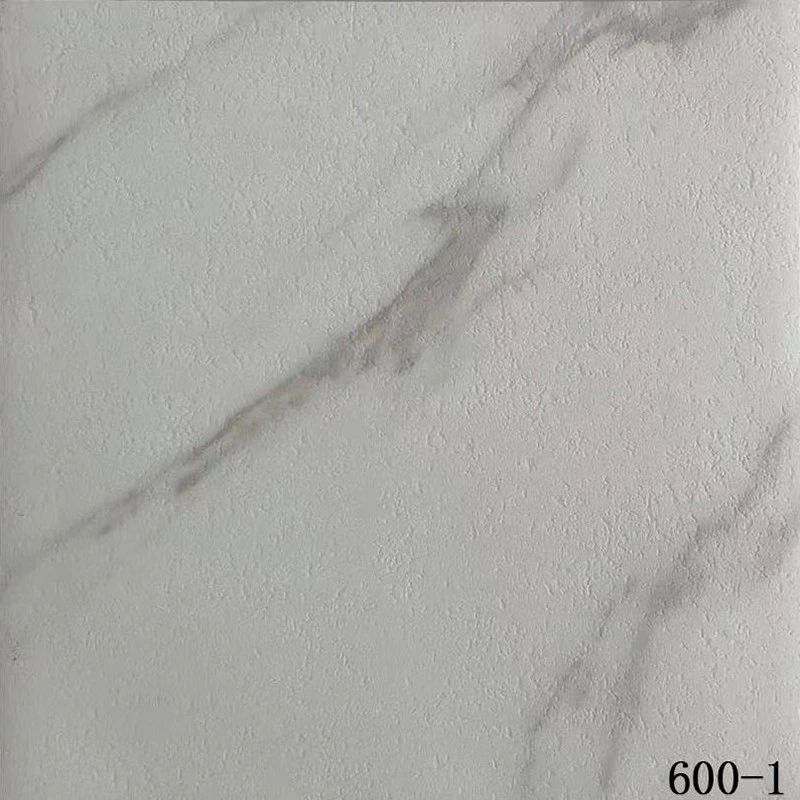
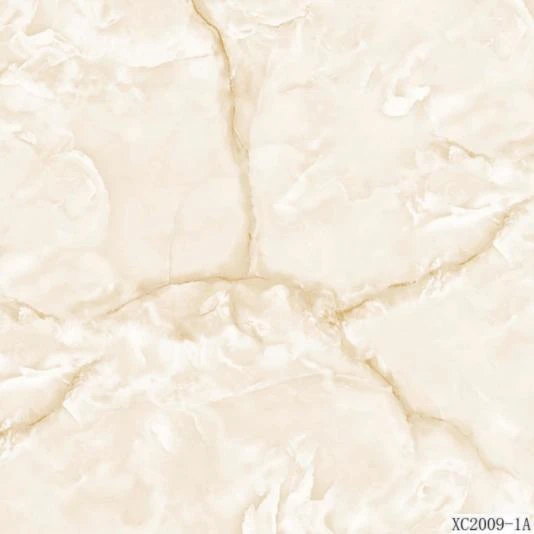
Another thing that can change the price is customization. If you want a custom color, pattern, or even a cut that fits a specific space (like around a fireplace or built-in shelves), that will add to the cost. Most standard 24x24 cork back LVT comes in 10 to 15 popular designs, but custom orders might require a 2-4 week lead time and a 10-20% premium on the base price. For most residential customers, sticking to standard designs is the most cost-effective, but for commercial clients or people with unique design needs, customization is worth the extra expense to get exactly what they want.
Let me give a real example to make this concrete. A homeowner renovating a 1,200 square foot main floor, using mid-range 24x24 cork back LVT:
- Base product cost: $5 per square foot x 1,200 = $6,000
- Bulk order discount: 5% for 1,200 square feet = $300 off, so $5,700
- Installation: $3 per square foot x 1,200 = $3,600
- Total: $9,300
If that same homeowner went with high-end commercial grade, it would be $7 per square foot, with a 7% bulk discount for 1,200 square feet:
- Base product: $8,400, minus 7% = $7,812
- Installation: $3.50 per square foot = $4,200
- Total: $12,012
For a small café ordering 5,000 square feet of mid-range 24x24 cork back LVT, the price would be even lower:
- Base product: $5 per square foot, minus 15% bulk discount = $4.25 per square foot
- Shipping: Free for 5,000 square feet
- Installation: $3 per square foot, but might get a slight discount for large commercial jobs = $2.50 per square foot
- Total: ($4.25 + $2.50) x 5,000 = $33,750, which is a lot more than a residential job, but it’s spread over a high-traffic commercial space, so it’s a smart long-term investment.
If you’re still not sure which tier is right for you, our team is here to help. We’ve worked with hundreds of customers on projects ranging from small bathroom renos to large commercial spaces, so we can walk you through the pros and cons of each option, explain the exact costs, and even send you samples so you can see and feel the cork back LVT in person before you order. Whether you’re comparing sizes like the 12x12 cork back LVT tile for a small bathroom or the 24x24 for your main living space, we can help you find the right balance of cost and quality.
At the end of the day, the cost of 24x24 cork back LVT tile depends on your specific needs: how much square footage you need, where it’s going, how much traffic it will get, and what design style you want. The best way to get an accurate price is to reach out with your project details, so we can give you a custom quote that fits your budget and requirements. We don’t do generic pricing, because every project is different, and we want to make sure you get a floor that works for you, not just the cheapest option on the market.
Whether you’re a homeowner planning a long-term reno, a contractor sourcing reliable materials for your clients, or a business owner outfitting a new space, we’re here to help you every step of the way. Don’t hesitate to connect with our team to discuss your project, ask questions, or get more information on our cork back LVT options, including all the sizes and tiers we carry.
References
- National Association of Home Builders. (2023). Flooring Cost Guide: Luxury Vinyl Tile.
- Cork Quality Council. (2024). Properties and Applications of Natural Cork Flooring Underlayers.
- Floor Covering Installers Association. (2023). Installation Standards for Glue-Down LVT.
- Commercial Flooring Contractors Association. (2024). Cost Factors for High-Traffic LVT in Commercial Spaces.
- Vinyl Institute. (2023). Eco-Friendly Flooring: LVT with Natural Cork Backings.