

Is Glue Down LVT Plank Flooring waterproof?
Oct 27, 2026
If you’ve been researching flooring options for areas prone to spills, humidity, or heavy foot traffic, you’ve likely encountered LVT (Luxury Vinyl Tile/Plank) as a top contender. But one question I hear most often from homeowners, contractors, and renovation professionals alike is this: Is glue down LVT plank flooring waterproof? As a long-time supplier of glue down LVT—helping clients from residential remodels to commercial retail builds across the region—I’ve fielded this query hundreds of times, and the short answer isn’t always as straightforward as you might think. Let’s break this down with the science behind LVT construction, real-world use cases, and what makes our glue down LVT different from other types of vinyl flooring on the market.
First, let’s clear up a common misconception: most people assume all vinyl flooring is inherently waterproof, but that’s a generalization that overlooks critical differences in material layers and installation methods. Glue down LVT is built in layers for durability and performance, and its core composition is what makes it water-resistant, not fully waterproof. Wait—why the distinction? Waterproof means a material will not allow any water to pass through at all, even over extended periods of submersion. Water-resistant means it will resist water penetration in most everyday scenarios, but can be damaged if exposed to standing water for days on end. That’s a key line I’ve learned to clarify with clients, especially those considering glue down LVT for basements, laundry rooms, or full bathrooms where spills might not be mopped up immediately.
Let’s dive into the construction of our glue down LVT to explain this. Each plank starts with a rigid core layer, usually made of PVC (polyvinyl chloride)—a non-porous material that doesn’t absorb water. On top of the core is a decorative wear layer, and then a clear, protective coating (often called a UV-cured urethane layer) that seals the surface against scratches, stains, and minor moisture. The glue down installation method is also a big part of the equation: when you apply a specialized adhesive to the subfloor and press each plank firmly into place, it creates a seamless, continuous barrier that prevents water from seeping up from below the floor and gaps between planks. This is different from loose-lay or click-lock LVT, which has small gaps between planks that can let water in if spills are left unaddressed.
To put this into practical terms: a spilled glass of wine on your kitchen floor? Wipe it up with a paper towel, and your glue down LVT plank will be fine. A kid’s plastic water table set up on the floor of your playroom for a weekend? Remove the table and mop up any pooling water, and you won’t have to worry about warping or swelling. Standing water left for 48 hours, though—like a leaky pipe under the sink that you don’t notice for days—can eventually seep into the edges of the planks, even with the glue down installation. That’s the difference between water-resistant and waterproof, and it’s a detail I always share to set realistic expectations.
Now, let’s talk about what makes our glue down LVT line stand up to everyday moisture, especially for spaces that see more water exposure than a formal living room. For example, our Eco Oak LVT Flooring Plank is designed to mimic the look of real hardwood, but with the water-resistant performance that’s ideal for mudrooms and laundry rooms. Unlike real wood, which will swell, cup, or rot if exposed to standing water, our Eco Oak planks hold up because the PVC core doesn’t absorb moisture, and the wear layer creates an extra barrier against spills. I’ve seen this hold up in real homes: a client in Chicago had their mudroom LVT installed two years ago, and after a winter where their dog tracked in salt and slush every day, they only had to mop regularly—and there’s no warping or fading to show for it. If you’re looking for a wood-look option that performs well in damp areas, this is a great pick, and you can learn more here: Eco Oak LVT Flooring Plank.
Another question I get: How does glue down LVT compare to other flooring types in water-prone spaces? Porcelain tile is waterproof, but it’s cold underfoot, can crack if heavy items are dropped, and is slippery when wet. Laminate flooring is often advertised as water-resistant, but click-lock seams can fail over time, leading to water damage that’s hard to repair. Carpet is out of the question for areas with regular moisture, as it traps water and mold. Glue down LVT hits that sweet spot: it’s soft underfoot like carpet, looks like wood or stone, resists water better than laminate and wood, and is durable enough for high-traffic commercial spaces. Our Glue Luxury Vinyl Flooring line, for example, is tested to withstand constant foot traffic in retail stores, restaurants, and office break rooms—areas where spills and moisture are common, but a flooring replacement isn’t in the budget every few years. You can browse our full collection here: Glue Luxury Vinyl Flooring.
One thing I always emphasize when working with contractors and homeowners is that the quality of the adhesive and installation is just as important as the LVT itself. Even the best LVT plank will fail if it’s installed with a cheap, low-quality glue that doesn’t create a tight seal between the planks and the subfloor. That’s why we supply specialized, pressure-sensitive adhesive designed specifically for our glue down LVT products, and we recommend hiring a professional installer who’s experienced with this type of flooring. I’ve seen clients try to save money by installing glue down LVT themselves and cutting corners on adhesive, leading to gaps where water seeps in and planks lift over time. Taking the time to do it right pays off in a floor that lasts 15-25 years, even in damp areas.
Now, what about areas with higher humidity, like basements or under bathrooms? I’ve had clients ask if glue down LVT is suitable for a finished basement that’s prone to occasional dampness from high humidity. The good news is that the PVC core is resistant to humidity-related damage, but we always recommend using a moisture barrier underlayment if the subfloor has a high moisture level (over 3 pounds per 1000 square feet per 24 hours). This prevents any moisture vapor from the concrete subfloor from getting trapped between the floor and the LVT, which could cause the adhesive to fail over time. Our Grey LVT Flooring Glue Down line is a popular choice for basement remodels because it has a neutral tone that complements most finished spaces, and it resists the subtle humidity that baselines often have. Check it out here: Grey LVT Flooring Glue Down.
Let’s address a common myth I hear all the time: If LVT is waterproof, can I install it in a shower? The short answer is no, not glue down LVT, and this goes back to that line between water-resistant and waterproof. Even with the best installation, LVT isn’t designed to be submerged in water for extended periods, like it would be in a shower stall. The seams, even with glue, aren’t watertight enough to prevent water from seeping into the edges, and prolonged exposure to standing water can break down the adhesive and cause planks to separate. For shower areas, we recommend waterproof tile or custom shower bases, since those are engineered to handle full submersion. For adjacent bathroom floors—where you might step out of a bath with wet feet, or spills happen on the floor outside the shower—our LVT Glue Flooring is perfect, as it resists that regular, incidental moisture without issue. You can view that product line here: LVT Glue Flooring.
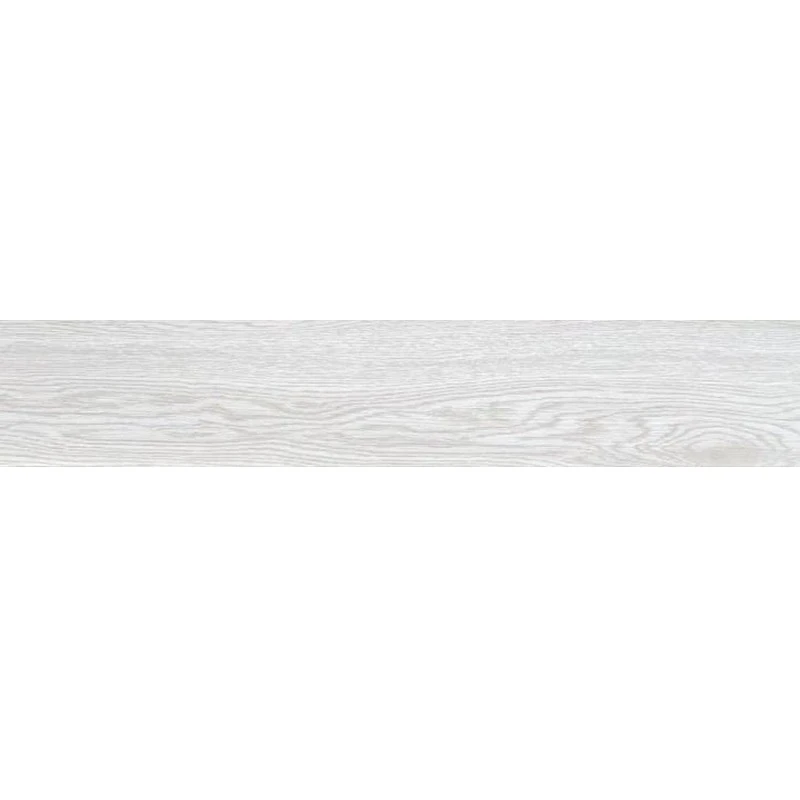
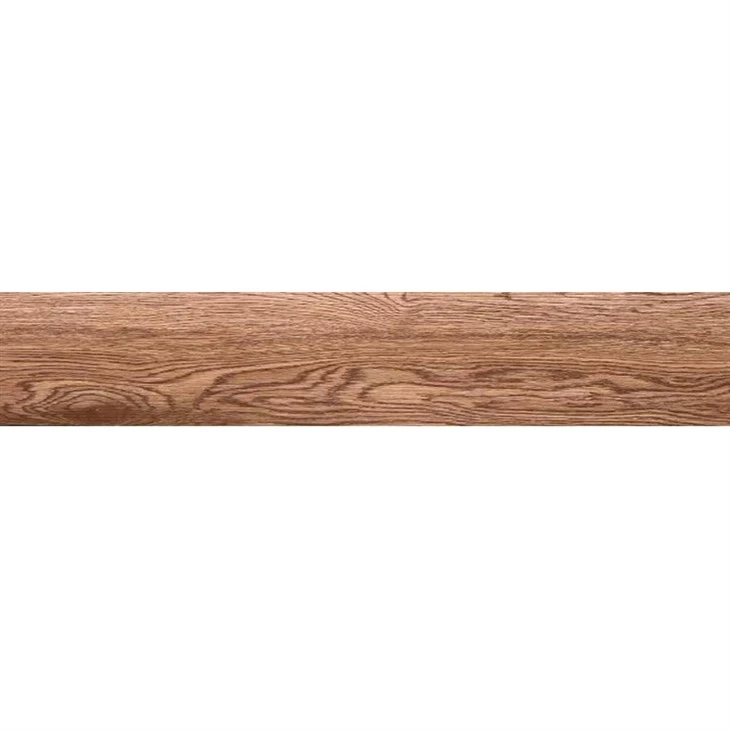
Another benefit of glue down LVT for water-prone spaces is its ease of cleaning. The protective wear layer makes it stain-resistant, so even if a spill sits for a few minutes, you just wipe it up with a damp mop or a mild cleaner—no harsh chemicals needed, and no risk of staining. This is a big plus for families with kids, pet owners, or commercial spaces where cleaning is a daily task. Our Stick Down Wood Look Vinyl Flooring line, which mimics the grain of real wood, is especially popular for homeowners who want the look of hardwood without the maintenance of sealing and refinishing that real wood requires, especially in areas where spills are common. Take a look: Stick Down Wood Look Vinyl Flooring.
Over the years, I’ve worked with thousands of clients, and I’ve seen how glue down LVT performs in real-world scenarios, not just in lab tests. A client in a coastal town, where high humidity and salt air are a constant concern, installed our glue down LVT in their entire first floor three years ago. They report that after hurricanes, when there’s extra humidity in the air for weeks at a time, there’s no warping, swelling, or discoloration—something that would have happened to their old hardwood floors. Another client, a restaurant owner, had glue down LVT installed in their dining area, where spills of soda, coffee, and water happen multiple times a day. He told me that after three years, the floor still looks like new, and cleaning is quick, which has saved him time and money on maintenance.
So, to circle back to the original question: Is glue down LVT plank flooring waterproof? No, it’s not fully waterproof—it’s water-resistant, designed to handle everyday spills, humidity, and minor standing water, but not prolonged submersion. But that’s a feature, not a flaw. It’s the perfect balance of durability, style, and performance for most residential and commercial spaces that have to deal with moisture. Unlike real wood, laminate, or tile, it avoids the pitfalls of warping, cracking, or being slippery, and our range of colors and styles means you can get exactly the look you want without sacrificing functionality.
If you’re considering glue down LVT for your next project, whether it’s a small bathroom remodel, a large commercial space, or a whole home renovation, we have a wide range of products to fit your needs. From the natural wood look of our Eco Oak LVT Flooring Plank to the sleek grey tones of our Grey LVT Flooring Glue Down, we can help you find the right option for your space and budget. Our team has years of experience working with clients across all types of projects, and we can answer any questions you have about installation, maintenance, or which product is best for your specific needs. To learn more or to discuss your project and request a quote, feel free to reach out to our team for procurement and consultation.
References:
- National Wood Flooring Association. (2021). Luxury Vinyl Flooring: Performance and Installation Guidelines.
- Resilient Floor Covering Institute. (2022). Water Resistance Characteristics of Glue-Down LVT Flooring.
- Floor Trends Magazine. (2023). Comparing LVT Performance in Humid and Water-Exposed Spaces.
- Vinyl Institute. (2020). PVC Composition and Its Role in Flooring Durability and Moisture Resistance.