Future Prospects for PVC Flooring
Jul 13, 2026
When evaluating eco-friendly flooring, the primary standard is the level of formaldehyde emissions.
There has been ongoing debate regarding the suitability of PVC flooring for residential use. Here is a detailed analysis of why PVC flooring has gained more traction in the commercial sector than in the domestic home renovation market in China:
(1) The name "PVC flooring" often leads to misconceptions; the term "PVC" tends to conjure up images of ordinary plastic, and many people confuse PVC flooring with PVC piping-materials often associated with toxic substances harmful to human health. However, PVC flooring is fundamentally different from standard plastic products. PVC (polyvinyl chloride) flooring is completely free of toxic substances like formaldehyde and benzene, emits no radiation, and is classified as an eco-friendly material that poses no risk to human health. Some consumers worry that the adhesives used during installation might contain formaldehyde. While it is true that unscrupulous manufacturers may use low-quality, potentially toxic adhesives to cut costs, reputable brands utilize specialized, eco-friendly adhesives that do not release harmful substances like formaldehyde.
(2) Driven by the unique advantages and immense growth potential of PVC flooring, many domestic companies have entered the industry. Through the importation of equipment and technology-followed by internal R&D and innovation-some enterprises have made significant strides in producing high-quality PVC tiles and composite sheet flooring. However, production technology for PVC sheet flooring (rolls) remains imperfect and requires further improvement. The market is crowded with small manufacturers-often clustered in local building material centers-competing primarily in the low-end segment; they drive prices down to attract consumers, often at the expense of quality. This has resulted in a market flooded with inferior products, inevitably leading to public misconceptions about PVC flooring. To safeguard their interests, consumers are advised to choose products from well-known brands; the Chinese adage "cheap goods are rarely good, and good goods are rarely cheap" holds true here.
(3) Domestically, PVC flooring is primarily utilized in large-scale commercial projects. Many manufacturers focus heavily on these major contracts while neglecting the residential market-an area where the industry needs to improve. When manufacturers encounter resistance in promoting products for home use, they often abandon these efforts rather than persisting, which naturally hinders the widespread adoption of PVC flooring in Chinese households.
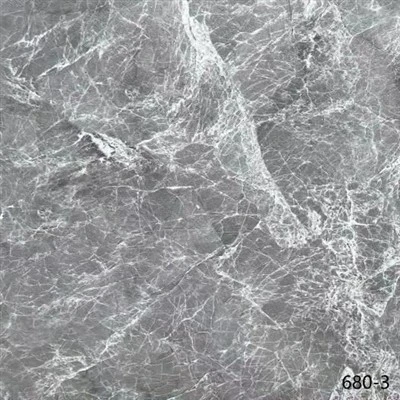
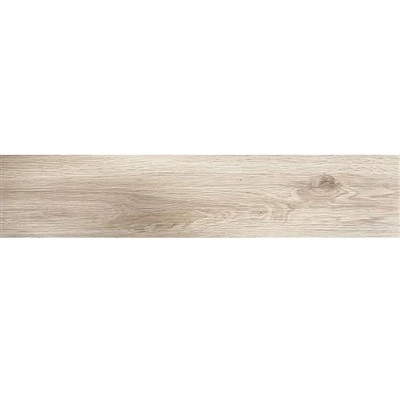
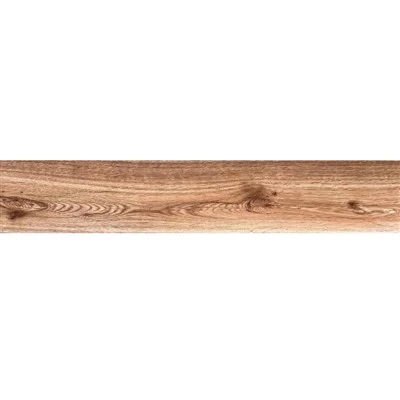
(4) Consumer attitudes in China remain relatively conservative; many products gain acceptance and recognition domestically only after having been popular abroad for a considerable time. Any new product requires a period of time to be accepted and acknowledged by the public. Furthermore, consumers often place excessive emphasis on natural materials and high-end status, mistakenly believing that only wood flooring is eco-friendly and harmless to health, or that only marble flooring signifies luxury. Such renovation concepts truly need to change; it is believed that once consumers properly understand the advantages of PVC flooring, they will increasingly embrace it. The trend of PVC flooring serving as an alternative to wood and marble flooring is unstoppable.