

Are there any cleaning products I should avoid using on Eco Oak LVT Flooring Plank?
Nov 12, 2026
If you’ve recently installed Eco Oak LVT Flooring Planks in your home or commercial space, you’ve already made a smart choice: our eco-friendly wood-look vinyl flooring combines the warmth of natural oak with the durability of luxury vinyl, designed to withstand daily life while keeping a small environmental footprint. But as a supplier who’s worked with thousands of homeowners, designers, and facility managers over the years, one question comes up again and again: “What cleaning products should I avoid on my Eco Oak LVT planks?” The answer isn’t just about “hard” vs. “soft” cleaners—it’s about understanding how LVT is engineered, why certain ingredients can damage it, and how to care for your floors to keep them looking fresh for years. Let’s break this down, no fancy jargon, just real advice from a team that knows our product inside and out.
First, a quick refresher on what makes Eco Oak LVT different from other flooring types. Unlike solid hardwood, which is porous and prone to water damage, or laminate, which can bubble if exposed to excess moisture, our Eco Oak LVT planks have a thick, protective wear layer fused to a core of vinyl that mimics wood. That wear layer is what gives LVT its scratch resistance and stain protection—but it’s not indestructible. Harsh chemicals can break down this top layer over time, dulling the finish, leaving streaks, or even causing discoloration that’s permanent. It’s easy to grab a bottle under your sink and spray it on a spill, but not all household cleaners are safe for LVT, even if they say “multi-surface.”
Let’s start with the big one: ammonia-based cleaners. You’ll find ammonia in everything from glass cleaners to all-purpose kitchen sprays, and it’s a powerful grease cutter. But for LVT, ammonia is a slow-acting enemy. It breaks down the acrylic or polyurethane coating that protects our Eco Oak LVT planks. Over months of use, you might notice your floors losing their subtle sheen, especially in high-traffic areas like hallways or living rooms. I’ve seen this firsthand: a customer in Chicago used a glass cleaner with ammonia on her LVT floors to wipe up a coffee spill, and within six months, she had dull patches that showed where the cleaner had sat. The same goes for bleach, another common ingredient in many disinfecting sprays. Bleach is corrosive to vinyl, and even small amounts can cause yellowing or white spots on lighter LVT shades—something no one wants on their Eco-Friendly Grey LVT Plank, for example, which is designed to look crisp and modern.
Next, oil-based cleaners and polishes. Wait, I know—LVT is supposed to look like wood, so why wouldn’t an oil polish work? Because LVT isn’t real wood (well, not the kind that absorbs oil). Oil-based products leave a sticky, filmy residue on the wear layer. This residue traps dirt and grime, making your floors look dull even after you clean them. Worse, over time, that film can build up so thick that it actually hides the wood-like texture of our Eco Oak LVT planks. I had a designer client in Dallas who tried a wood polish on her LVT floors to “enhance the wood grain,” and by the time she contacted us, her floors had a cloudy, yellowish sheen that required professional stripping. For anyone who’s installed Stick Down Wood Look Vinyl Flooring, this is a key point: the “wood look” is printed on the wear layer, so adding oil can make it impossible to see clearly.
Then there’s acidic cleaners, including vinegar. You might have heard vinegar is a natural, eco-friendly cleaner— and it is, for surfaces like countertops or glass. But on LVT, vinegar’s high acidity is a problem. Even a diluted solution can eat away at the protective wear layer over time. I get it, it’s tempting to skip harsh chemicals and use something you have in your pantry, but for LVT, vinegar is a no-go. We recommend avoiding any cleaner with a pH level below 5 or above 8 (check the label for “pH balanced” or “neutral pH” to be safe). That includes citrus-based cleaners too, which often have high citric acid that can cause etching or discoloration. I’ve had customers swear by their citrus-based all-purpose spray, only to bring it to our attention a year later that their LVT planks have faint white spots where they mopped.
What about steam mops? This is a common question that comes up at trade shows or when customers call with concerns. Steam mops use high heat and moisture to clean floors, and while they work great for hardwood (if used correctly), LVT is more sensitive to prolonged heat and moisture. The heat can warp the vinyl core, and excess moisture can seep between the planks—especially if they were installed with Grey LVT Flooring Glue Down (or our standard Vinyl Flooring Planks Glue Down)—causing the adhesive to fail over time. We don’t say you can never use a steam mop, but keep the temperature low, don’t hold it in one spot for more than a few seconds, and make sure to dry the floors immediately after. Many of our customers find that a microfiber mop with a neutral pH cleaner works better and is less risky.
Now, let’s talk about what you should use, because avoiding the wrong cleaners is only half the battle. Our recommended cleaning routine for Eco Oak LVT planks starts with regular dry cleaning: a vacuum with a hard-floor setting (no beater bars, which can scratch the wear layer) or a soft-bristle broom to pick up dust and debris. For wet cleaning, use a neutral pH LVT-specific cleaner—we even have a formula we recommend that’s designed to work with our products, so you know it’s safe. For spills, wipe them up immediately with a dry or slightly damp microfiber cloth, don’t let them sit. If you have stubborn stains (like wine, mud, or pet accidents), use a small amount of LVT cleaner on a cloth, gently rub the stain, then wipe with a damp cloth and dry.
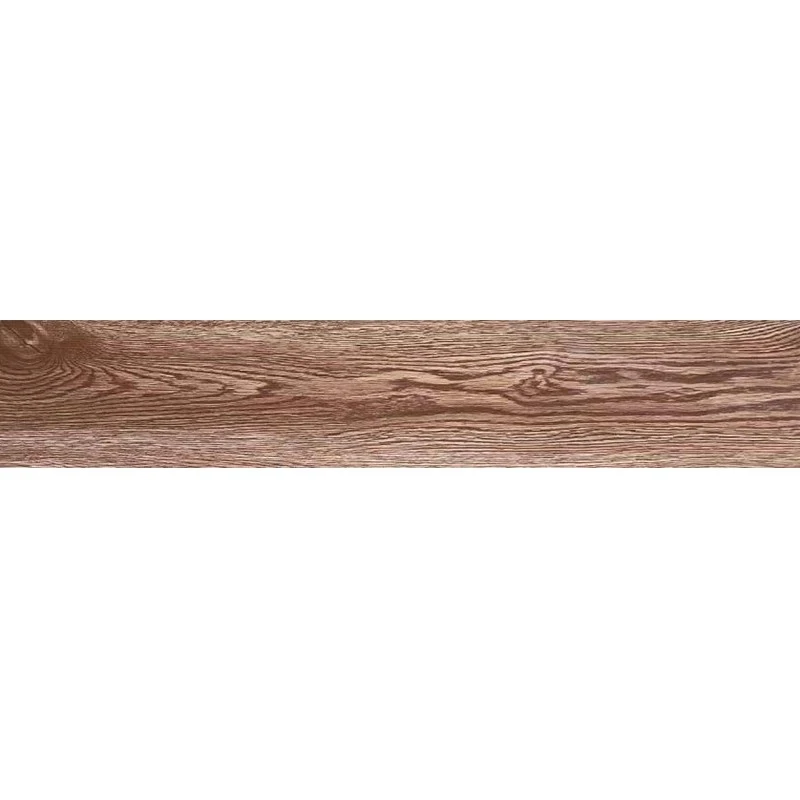
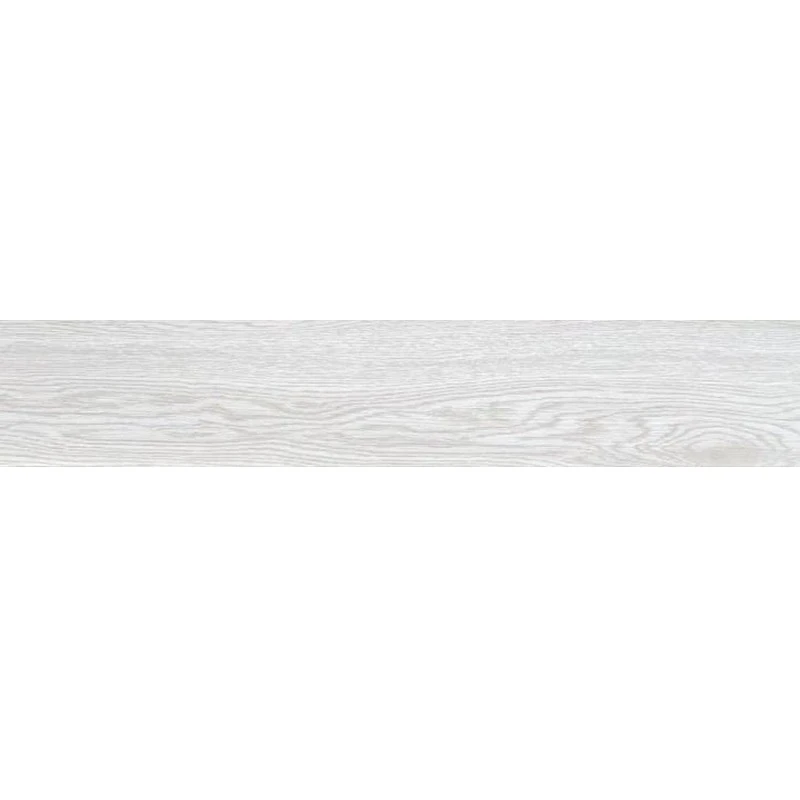
I want to be clear: these warnings don’t mean LVT is a high-maintenance flooring. It’s still one of the easiest surfaces to care for, especially compared to hardwood or natural stone. The key is just being intentional about what you use. We designed our Eco Oak LVT planks to be durable and eco-friendly, so they don’t need harsh chemicals to stay clean. In fact, many of our customers who have installed Glue Luxury Vinyl Flooring tell us they barely need to mop more than once a week—regular dry cleaning is enough.
Another thing to keep in mind: not all LVT is the same. Some budget LVT planks use thinner wear layers that are more prone to damage from harsh cleaners, but our Eco Oak LVT planks have a 20-mil wear layer (that’s extra thick, by the way) to withstand everyday wear. But even with that, you don’t want to take chances. We always tell customers to test any new cleaner on an inconspicuous area of the floor first—like a corner under a couch or behind a door—before using it on the entire surface. That way, if it causes discoloration or streaks, you don’t ruin your whole floor.
I’ve been in the flooring industry for over a decade, and I’ve seen too many people damage their LVT floors by using the wrong cleaner. It’s such an avoidable mistake. The good news is that once you know what to avoid, caring for your Eco Oak LVT planks is simple. No fancy products, no complicated routines, just a few common-sense rules to keep your floors looking like new for years.
If you’re considering Eco Oak LVT Flooring Planks for your space, or you have more questions about cleaning, installation, or maintenance, we’re here to help. Our team has worked with everything from residential projects to large commercial spaces, and we can guide you through every step of choosing, installing, and caring for your flooring. Whether you’re looking for eco-friendly options or information on glue-down installation like our Grey LVT Flooring Glue Down or Stick Down Wood Look Vinyl Flooring, we have the expertise to match your needs. Don’t settle for flooring that’s hard to maintain—reach out to our team to discuss your project and learn more about why Eco Oak LVT is the perfect choice for your home or business.
References
- National Wood Flooring Association. (2021). Luxury Vinyl Flooring Care and Maintenance Guide. NWFA.
- Vinyl Institute. (2020). Safety and Maintenance of Vinyl Sheet and Plank Flooring. Vinyl Institute.
- Resilient Floor Covering Institute. (2019). Recommended Practice for the Installation of Glue-Down Luxury Vinyl Tile and Plank Flooring. RFCI.
- Environmental Protection Agency. (2022). Safer Choice Cleaner Guide for Hard Surfaces. EPA.