

Are there any installation limitations for 12x12 Cork Back LVT Tile?
Oct 22, 2026
Hey everyone, I’m Jake, part of the team that works with our 12x12 cork back LVT tiles every single day—so when questions pop up about installation limitations for these bad boys, I’ve got answers straight from the trenches. First off, let’s cut to the chase: yeah, there are some small limitations, but most of them are super easy to work around, and way less restrictive than what you’ll run into with other flooring types. Let’s dive in, no fancy jargon, just real talk from someone who’s helped dozens of contractors and homeowners get these tiles down right.
First, let’s make sure we’re all on the same page here. Our 12x12 cork back LVT tiles are a mix of luxury vinyl’s durability and cork’s squishy, sound-dampening goodness—they’re basically the middle child that does everything well: waterproof, scratch-resistant, soft underfoot, and easier to cut than big-format tiles. But even with all that, they’re not one-size-fits-all, so let’s break down the installation limits you might actually run into.

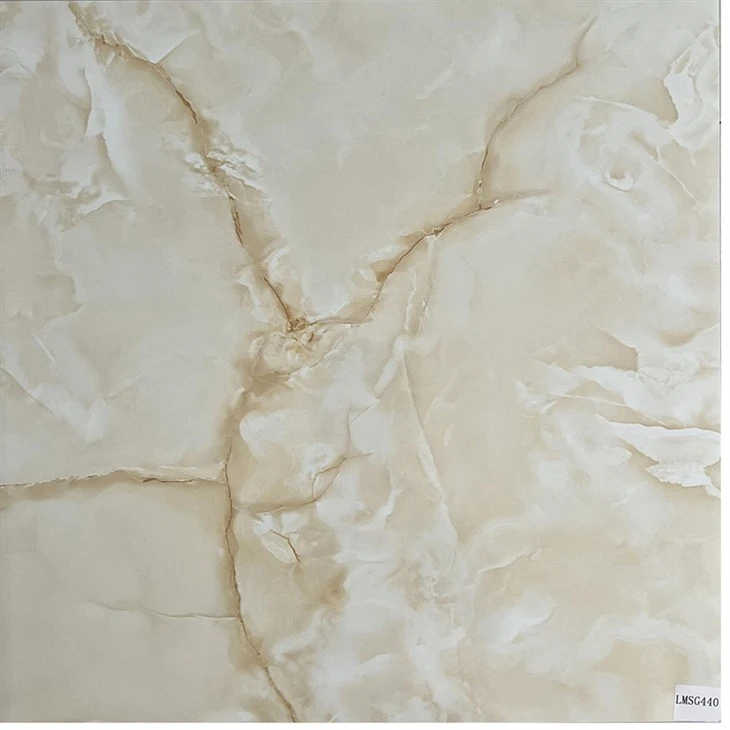
Starting with subfloor prep—this is where 90% of installation issues come from, and our 12x12 cork back LVT tiles are no exception. Here’s the thing: LVT (luxury vinyl tile) is kind of a diva when it comes to a smooth, stable subfloor, and the cork back adds a tiny layer of give, but that doesn’t mean you can skip prep. We’re talking flat, no bumps bigger than a credit card (seriously, grab your wallet—if your card doesn’t glide over a spot, that’s a problem). Also, no wet spots, no loose particles, no uneven concrete patches. Why? Because even a tiny high spot will make a tile bulge, and a wet spot under the cork can trap moisture over time, leading to that funny wavy look no one wants. Wait, but can you put these over old flooring? Maybe, but only if that old floor is solid and flat. For example, if you’ve got old vinyl tiles that are lifting or cracking, rip ’em out first—don’t just layer our 12x12 cork back stuff on top. If you’re not sure, hit us up, but this is a non-negotiable limitation: if your subfloor’s not up to snuff, your installation’s gonna fail, no questions asked.
Next, environmental conditions during installation and right after. Cork is porous, right? So it expands and contracts a tiny bit more than solid LVT, which means you can’t install these tiles in places with extreme temps or humidity swings. We’re talking 60-80°F (15-27°C) and 30-50% humidity for at least 48 hours before installation, during, and 72 hours after finishing. If it’s way too hot, the cork might swell too much during installation, and when it cools down, you’ll have gaps between tiles. Too cold, and the glue won’t set right—wait, hold on, we recommend going with our LVT Glue Down Tiles specifically for these cork back tiles, right? Because the glue is formulated to bond with the cork’s texture without eating through the vinyl layer. Using the wrong glue? That’s a limitation you create, not one we set—so stick to the glue we suggest, trust us on that. Also, avoid installing in unconditioned spaces right after delivery—let the boxes acclimate to the room for 48 hours first. That way, the tiles adjust to the temp and humidity, so their expansion is minimal once you put them down.
Size-wise, 12x12 is a sweet spot for most spaces, but there’s a catch here: if you’re doing a huge room (like over 1,000 sq ft), you’ll need to leave expansion gaps. Wait, but that’s not unique to our tiles—all LVT needs that, but because the cork adds a little extra give, you can’t skip those gaps at the walls, door frames, or around any fixed features (like cabinets). Usually 1/4 inch around all edges, and if the room’s super long, you might need a T-mold or a transition strip to cover any tiny gaps that pop up from expansion. Now, if you’re thinking about going bigger, we’ve got options—like 24x24 Cork Back LVT Tile or 18x18 Cork Back LVT Tile for larger spaces where fewer grout lines work better. But if you’re set on 12x12, just don’t try to cover a whole mansion without planning for expansion— that’s the only size-related limitation you really have to watch.
Another thing: we don’t recommend installing our 12x12 cork back LVT tiles in areas with standing water for long periods? Wait, hold up—LVT is waterproof, but the cork is a natural material, and if water sits on top of the tiles for days, it can seep into the grout lines and make the cork get a little mushy. So places like full-on outdoor patios? No, that’s not gonna work. Bathrooms, laundry rooms, basements with leak issues? If you fix the leaks first, go for it—just make sure to wipe up spills immediately. Compare that to, say, foam back LVT flooring tile (you can check that out here), which is more for above-grade areas, not damp basements. Our cork back is better for basements because of the sound and moisture resistance, but standing water is still a no-go long-term. That’s a key limitation most people miss at first—don’t confuse “water-resistant” with “waterproof to being submerged.”
Wait, what about DIYers vs pros? Is that a limitation? Not exactly, but our 12x12 cork back LVT is pretty straightforward, but you do need to have a few tools: a utility knife, a straight edge, a tile cutter (or a circular saw with a fine-tooth blade—don’t use a rough blade, it’ll scratch the vinyl), and a good level. If you’re a total newbie who’s never installed flooring before, it might take a little longer than you think, and you might mess up a few cuts at first. That’s not a fault of the tile, just a skill level thing. We always tell people: if you’re unsure, hire a local flooring pro who’s worked with LVT before. It’s worth the extra cost to get it right the first time, instead of having to rip out a bad installation a year later.
Now, let’s clear up some myths too—because I get tired of hearing people say “cork back LVT can’t go over radiant heat.” Wait, that’s not true! The cork is a good insulator, so you just need to make sure your radiant heat system is stable for at least 72 hours before installation (no turning it up high right after), and the surface temp of the subfloor during installation is under 85°F (29°C). Once it’s all down, you can gradually turn up the heat—we recommend 5°F a day until you hit your desired temp. That’s totally doable, so don’t let that stop you. Unlike some other cork products, our LVT layer is heat-resistant, so you don’t have to stress about melting or warping.
Wait, one more small limitation: if you’re doing pattern layouts, it’s a little trickier than square layouts. The 12x12 size is super easy to line up straight, but if you’re doing a herringbone or a offset pattern, you’ve got to measure twice and cut a lot of edge pieces. But that’s just a design thing, not a hard limit—plenty of people pull off cool patterns with these tiles, it just takes a bit more planning. And if you’re into simpler layouts, this size is perfect for small rooms, closets, or as accent tiles—way easier to handle than big-format stuff in tight spaces.
Let’s wrap this up with what actually matters: most “limitations” for our 12x12 cork back LVT tiles are common-sense prep and planning, not some crazy rule we made to sell more stuff. If you’ve got a flat, stable subfloor, keep temp and humidity in check during install, avoid standing water, and use the right glue (check out our Standard Glue-Down LVT Tiles if you’re not sure which one fits best), you’re gonna have a floor that lasts for decades.
If you’ve got more questions about installation, or you’re ready to place an order, hit us up—our team’s here to help whether you’re a homeowner doing a bathroom reno or a contractor working on a whole house. We don’t just sell tiles, we help people get them installed right the first time.
References:
- National Wood Flooring Association. (2022). LVT Installation Guidelines: Subfloor Preparation and Environmental Conditions.
- Cork Quality Council. (2021). Performance Characteristics of Cork-Backed LVT Flooring.
- Resilient Floor Covering Institute. (2023). Best Practices for Glue-Down LVT Installation.
- Building Science Corporation. (2022). Moisture Management in Residential Flooring Installations.