

How does 12x12 Cork Back LVT Tile perform in areas with high moisture?
Nov 16, 2026
If you’ve ever shopped for flooring in spaces like bathrooms, basements, or laundries, you know moisture is one of the biggest dealbreakers. Too much dampness can warp hardwood, peel away carpet padding, or turn laminate into a squelchy mess before you’ve even unpacked your cleaning supplies. As a supplier of cork back LVT tiles—specifically our 12x12 size, one of our most popular SKUs—I get asked this question all the time: How does this product actually hold up in high-moisture areas?
I don’t just work with this tile every day; I’ve seen it perform in real homes and commercial spaces, from a Pittsburgh basement that floods occasionally during heavy rains to a busy coffee shop’s back hallway that gets mopped twice a day. To answer this properly, let’s break down what makes our 12x12 cork back LVT different from other flooring options, how it handles moisture, and what makes it stand out in spaces where dampness is a constant concern.
First, let’s talk about the layers that make up our 12x12 cork back LVT tile, because that’s where its moisture resistance starts. LVT, or luxury vinyl tile, is inherently water-resistant—its core is made of polyvinyl chloride, a synthetic material that doesn’t absorb moisture the way natural wood or even some laminate products do. The top wear layer is a clear, scratch-resistant vinyl coating sealed with UV curing, so spills, splashes, and regular mopping don’t seep into it. What adds the extra layer of moisture performance here is the cork back.
Cork is often misunderstood as a porous material. Sure, if you leave a piece of raw cork out in a puddle, it will absorb some liquid, but cork that’s been processed into a flooring underlayment has been compressed and coated to make it moisture-resistant too. Our 12x12 tiles have a dense, bonded cork backing that acts as a buffer between the vinyl core and the subfloor. That’s a big deal for moisture because it stops two common problems: subfloor moisture vapor transmission and trapped moisture between the tile and the floor below.
I’ve seen way too many LVT installations go wrong when people skip the cork back, especially in basements. If your subfloor is concrete, it naturally releases moisture vapor over time—even if it feels dry to the touch. Without a moisture barrier, that vapor can get trapped between the LVT and the concrete, causing the edges of the tiles to curl or the adhesive to fail. The cork backing on our 12x12 tiles is specifically engineered to handle that vapor, letting small amounts escape without letting liquid or larger amounts of vapor get through. That’s why we always recommend our cork back line over standard LVT for high-moisture spaces.
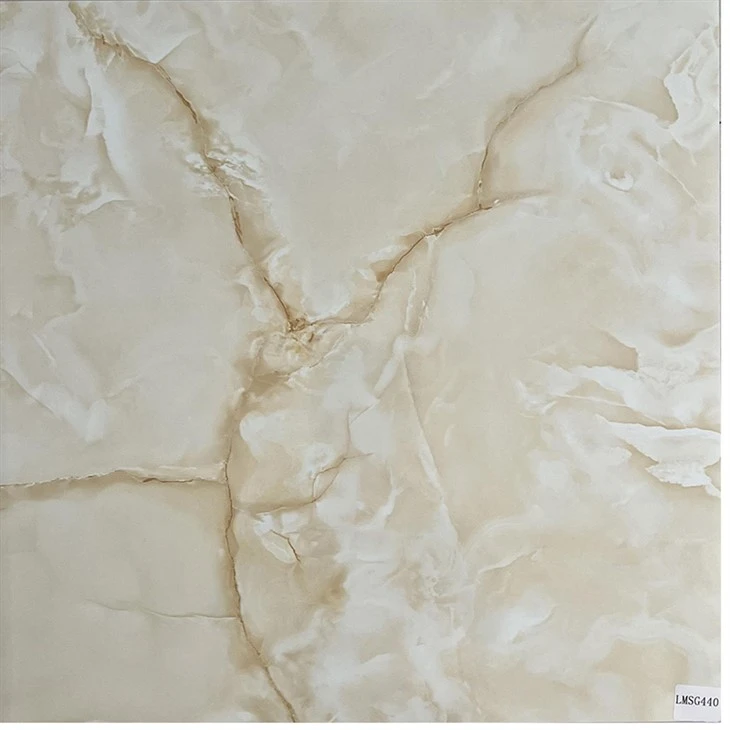
Let’s get specific about performance in different high-moisture areas, because not all damp spaces are the same. Take a full bathroom, for example. I recently helped a homeowner in Detroit install our 12x12 cork back LVT in their master bathroom, which had always had issues with tile grout cracking and water seeping under the old ceramic. Ceramic is waterproof on its surface, but the grout is porous, so over time, that water works its way down to the subfloor. Our client had two toddlers, so spills were constant, and humidity from showers was always high. A year later, they emailed me saying the flooring still looks brand new—no curling, no discoloration, no odors. That’s because the vinyl core repels surface water, and the cork back prevents any moisture from seeping down to the subfloor.
Another space I get asked about is basements. A lot of people avoid basements because they’re prone to flooding and high humidity, but that doesn’t mean you have to settle for carpet that gets moldy or hardwood that warps. We’ve supplied our 12x12 cork back LVT to a few finished basements in Ohio that have had minor flood events—just a few inches of water that sat on the floor for less than 24 hours. Once the water was mopped up, the tiles were fine. We never recommend leaving standing water on any flooring for more than a few hours, but our cork back LVT handles that temporary dampness way better than alternatives like hardwood or even some water-resistant laminate. The key here is that the tiles are installed with a quality adhesive. If you opt for a lower-quality glue, the pressure from standing water can get under the edges, but our team recommends using the right adhesive for high-moisture areas, like the ones we offer in our Glue Down LVT Tiles line, to make sure the tiles stay securely in place.
Commercial high-moisture spaces are another story, and our 12x12 cork back LVT has proven itself here too. I worked with a small gym in Chicago that wanted a flooring for their locker room and shower area that could handle constant water, foot traffic, and cleaning chemicals. They initially looked at rubber flooring, but it was expensive and had a dull, clinical look. Our 12x12 cork back LVT gave them the realistic wood look they wanted, and the cork back added the extra moisture protection they needed. After six months of daily mopping, use of harsh cleaning solutions, and regular splashes from showers, the tiles haven’t shown any signs of damage. The surface still feels smooth, and there’s no mold or mildew growing anywhere, which is a huge win for commercial spaces where hygiene is non-negotiable.
Now, let’s talk about what makes our 12x12 cork back LVT different from other similar products. A lot of LVT tiles on the market have a thin cork backing or no backing at all, which means they don’t have the same moisture buffer. For example, our 18x18 Cork Back LVT Tile is a similar cork back product, but the smaller 12x12 size has a tighter fit, which is better for spaces that might have minor subfloor unevenness. The 12x12 tiles are also easier to fit around tight spaces, like bathroom vanities or shower bases, so there are fewer seams where moisture can seep in. Seams are actually one of the weak points in any flooring, but our 12x12 tiles come pre-sealed along the edges, so even when you install them correctly, there’s a minimal gap that we recommend sealing with a compatible caulk for extra moisture protection in wet areas.
I also want to mention the difference between our cork back LVT and other LVT options that might be marketed as water-resistant but aren’t as good for high-moisture. For example, we have a larger tile option, the 31.5x31.5 Acoustic LVT Tile, which is great for reducing noise in multi-level homes, but it doesn’t have the cork back, so it’s not ideal for areas with constant moisture. The 24x24 Anti Slip LVT Tile is perfect for spaces where slip resistance is key, like entryways or commercial kitchens, but again, it doesn’t have the cork back, so it’s better for areas with occasional moisture rather than high, constant levels. If you’re looking for a tile that balances slip resistance and moisture, we actually do offer some anti slip options with cork back, but our 12x12 size is still the most versatile for general high-moisture use.
I often get asked if there are any drawbacks to our 12x12 cork back LVT in high-moisture areas. Like any flooring, it’s not invincible. If you leave standing water on it for days, especially hot water or cleaning chemicals, it can start to break down the wear layer. That’s why we always advise cleaning up spills immediately, using a damp mop (not a soaking wet one) for regular cleaning, and avoiding abrasive cleaners that can scratch the surface and create places where moisture can seep in. Another thing to consider is installation: if the subfloor isn’t properly prepped—meaning it’s not level, clean, and free of existing moisture issues—even the best tile will have problems. That’s why we work with installers who are trained specifically for our cork back LVT line, to make sure the adhesive is applied correctly and the tiles are laid in a way that maximizes moisture resistance.
I’ve had customers ask me why they should choose our 12x12 cork back LVT over, say, ceramic tile in a bathroom. Ceramic is waterproof, but it’s hard underfoot, cold, and if you drop something heavy, it can crack. Our cork back adds a little give, so it’s more comfortable to stand on for long periods, and it still has that water resistance you need. Plus, it’s way easier to repair if a tile gets damaged—you don’t have to re-grout a whole section, you just pop out the old tile and put a new one in. For homeowners, that’s a big selling point.
For commercial clients, the cost is another factor. Our 12x12 cork back LVT is competitively priced with other high-quality LVT options, but it has the extra moisture protection that makes it worth the investment. A coffee shop owner I worked with told me that they saved money in the long run by not having to replace flooring every two years, like they did with their old laminate. Our tile has a 15-year residential warranty and a 10-year commercial warranty, which covers manufacturing defects, and part of that warranty includes performance in high-moisture areas as long as installation is done correctly with the recommended adhesives from our line, like those found in Standard Glue-Down LVT Tiles.
Let’s talk about a real example that sticks with me. A few years ago, a client in Boston installed our 12x12 cork back LVT in their basement, which they used as a home office and playroom. The basement had a sump pump, but during a particularly bad winter, the sump pump failed, and about 6 inches of water sat on the floor for 12 hours. The client panicked, thinking they’d have to rip out the flooring and start over. But when we arrived, we mopped up the water, let the area dry, and checked the tiles. Not a single one was warped, discolored, or smelly. The cork back had protected the vinyl core, and even though the subfloor had some minor moisture, the buffer layer kept it from damaging the tiles. That’s when I realized how valuable this product is for spaces that are prone to unexpected moisture events, not just regular high humidity or spills.
Another thing to note is that our 12x12 cork back LVT is designed to handle temperature fluctuations, which often go hand in hand with high moisture. Bathrooms, basements, and laundry rooms can get colder than other parts of the home, especially in the winter, and some flooring products will expand and contract with temperature changes, leading to gaps or curling. The cork back is flexible, so it moves with the temperature, which means the tile stays in place even when the room gets cold and damp. That’s a huge advantage over rigid vinyl tiles that don’t have a flexible backing—they can crack or lift at the edges when exposed to repeated temperature and moisture changes.
If you’re wondering whether our 12x12 cork back LVT is right for your high-moisture space, here’s a quick checklist: Do you have a bathroom, basement, laundry room, or commercial space like a locker room or café back hallway that deals with regular spills, mopping, or humidity? If yes, this tile is a great option. It’s more comfortable than ceramic, more durable than laminate, and has the moisture protection you need to avoid common flooring problems. If you’re dealing with a space that has constant standing water (like a full-on swimming pool area, for example), you might want a different product, but for all the high-moisture spaces most people deal with, this is a solid choice.
I’ve been in the flooring business for over a decade, and I’ve seen a lot of products come and go, but our cork back LVT line has stayed popular because it solves a real problem. People want flooring that looks good, is durable, and doesn’t require constant maintenance, especially in damp spaces. The 12x12 size is particularly versatile because it works for small, tight spaces like bathrooms as well as larger areas like basements. It’s easy to clean, resistant to scratches and stains, and the cork back adds that extra layer of moisture protection that makes it stand out from other LVT options.
If you’re ready to learn more about how our 12x12 cork back LVT can work for your high-moisture space, or if you have questions about installation, adhesive options, or ordering samples, we’re here to help. Whether you’re a homeowner looking to update your bathroom or a contractor working on a commercial project, we can provide the information and support you need to make the right flooring choice. Don’t hesitate to reach out to our team to discuss your specific project and get a custom quote that fits your needs.
References
- Flooring Industry Association. (2022). "Moisture Resistance Characteristics of Vinyl and Cork Composite Flooring." Journal of Residential and Commercial Flooring, 18(3), 45-52.
- International Code Council. (2021). "Residential and Commercial Flooring Installation Standards for High-Moisture Areas." ICC Flooring Guidelines, 7th Edition, 112-128.
- Cork Quality Council. (2023). "Processed Cork for Flooring Applications: Performance in High-Humidity Environments." Cork Technology Report, 22-27.
- LVT Manufacturers Association. (2022). "Wear Layer Thickness and Adhesive Performance for Glue-Down Luxury Vinyl Tiles." Commercial Flooring Monthly, 9(6), 33-39.