Introduction To Vinyl Flooring
Aug 03, 2026
Vinyl flooring-a term encompassing Luxury Vinyl Tile (LVT) and Luxury Vinyl Plank (LVP)-is a relatively modern flooring material.
Primarily composed of polyvinyl chloride (PVC) resin, it utilizes advanced polymerization technology to deliver exceptional physical and chemical properties.
Vinyl flooring is widely used in both residential and commercial settings due to its diverse aesthetic options, high load-bearing capacity, water and moisture resistance, wear resistance, stain resistance, and ease of installation.
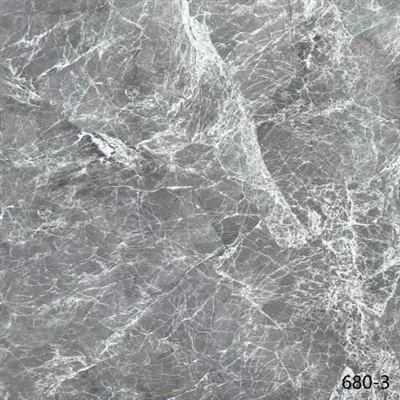
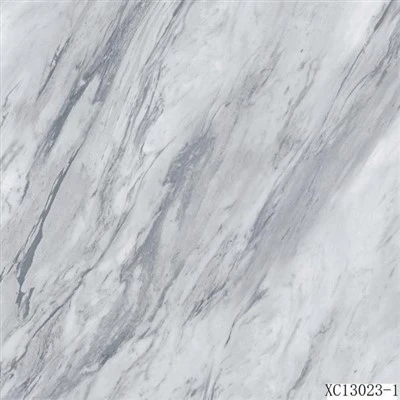
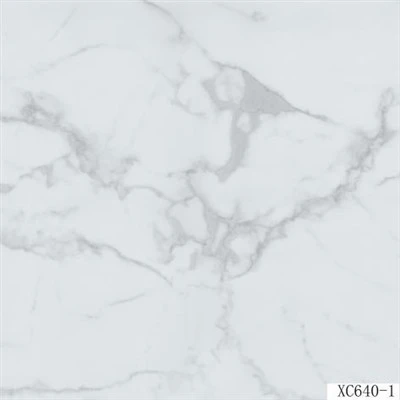
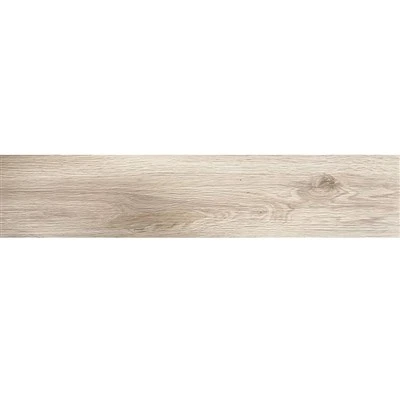
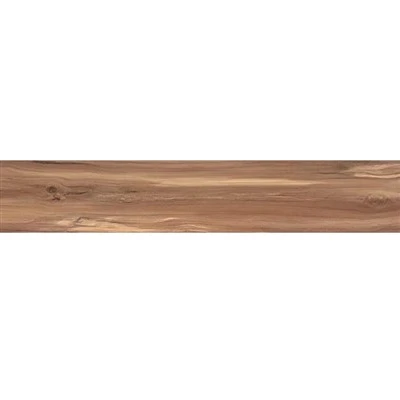
Visually, it can mimic the appearance of materials such as wood, stone, or ceramic tile, offering a wide range of design choices for various spaces.
Its surface undergoes special treatment to effectively resist scratches and scuffs, ensuring long-lasting aesthetic appeal.
Furthermore, vinyl flooring boasts superior wear resistance, capable of withstanding heavy loads and high-frequency use; it remains smooth and intact over the long term, even in high-traffic areas like factory workshops, warehouses, and shopping malls.
It also exhibits excellent chemical resistance, withstanding exposure to various acids, alkalis, oils, and chemical solvents-a crucial feature for environments such as laboratories and chemical plants where contact with chemicals is frequent.
Installation and maintenance are straightforward; the use of seamless joining technology creates a sleek, attractive finish while preventing the accumulation of dust, bacteria, and other contaminants, making cleaning and upkeep easy.
In summary, thanks to its versatility, durability, and ease of installation and maintenance, vinyl flooring has become a preferred choice across many industries, providing efficient, safe, and aesthetically pleasing flooring solutions for modern architectural spaces.